Walking Through History
Hiking in the Smokies isn't just about nature; it's about walking through history. Before the Great Smoky Mountains National Park was established in the 1930s, families lived, farmed, and worshipped in these valleys. They built homes, cleared land, raised children, and buried their dead. They had dreams and hardships and stories.
The Greenbrier area is rich with this heritage. The Porters Creek Trail is practically an open-air museum. Every step takes you deeper into the past, connecting you to the people who called this place home.
The John Messer Barn
About 1 mile up the Porters Creek Trail, you'll find a cantilever barn built around 1875. This is not a replica or a reconstruction. This is the original barn, still standing after nearly 150 years.
What to Look For: Notice the unique "cantilever" design where the upper loft overhangs the lower cribs. This design allowed air to circulate under the loft, keeping the livestock dry and preventing rot. It's a brilliant adaptation to the rainy Smoky Mountain climate. The builders understood their environment and designed accordingly.
The Construction: The barn is built with hand-hewn logs and wooden pegs—no nails. The craftsmanship is evident in every joint and beam. Imagine the skill and labor required to build this structure without modern tools.
The Setting: The barn is set in a clearing that is stunning in any season. In spring, it's surrounded by wildflowers. In fall, the surrounding trees are ablaze with color. In winter, snow clings to the weathered wood. In summer, it's shaded by old-growth trees.
Why It Matters: This barn is on the National Register of Historic Places. It's recognized as historically significant. It represents a way of life that is now gone. Standing in front of it, you're standing in front of history.
Photo Opportunity: The barn is one of the most photographed structures in the park. The weathered wood, the mountain setting, and the historical significance make it a compelling subject. Bring a camera.
The Smoky Mountain Hiking Club Cabin
Near the barn, you'll see a smaller cabin. This was built by the Smoky Mountain Hiking Club in the mid-1930s. It's a rustic reminder of the early days of recreational hiking in the park.
The Story: In the early 1900s, hiking was not a common recreational activity. But as the park was being established, a group of outdoor enthusiasts formed the Smoky Mountain Hiking Club. They built this cabin as a base for their hiking expeditions. It's a symbol of the early conservation movement and the growing appreciation for the natural world.
The Condition: The cabin is no longer maintained and is slowly returning to nature. Vines grow over it. The roof is deteriorating. It's a poignant reminder of how nature reclaims human structures when we stop maintaining them.
The Ownby Cemetery
Just past the barn, a small side trail leads to the Ownby Cemetery. It's easy to miss if you're rushing to the waterfall. Slow down and take the detour.
The Hook: It's easy to miss if you're rushing to the waterfall. But this is where the history becomes personal. Reading the dates on the weathered stones—many from the 1800s and early 1900s—connects you to the hardscrabble lives of the settlers who called this "Greenbrier Cove" home.
The Graves: The cemetery contains graves of the Ownby family and other early settlers. Some graves date back to the 1800s. The stones are weathered and difficult to read, but you can make out names and dates.
The Stories: Each grave tells a story. A child who died at age 3. A mother who died in childbirth. A farmer who lived to 87. These were real people with real lives and real struggles.
The Respect: This is a sacred place. Treat it with respect. Don't walk on graves. Don't touch the stones. Simply observe and reflect.
Other Historic Sites on the Trail
Stone Walls: Throughout the hike, you'll see old stone walls. These were built by settlers to mark property boundaries and to clear the land for farming. The walls are still standing, a testament to the craftsmanship of the builders.
Foundations: You'll see the foundations of old homesteads—just the outline of where a house once stood. Imagine the family that lived there, the meals they cooked, the children they raised.
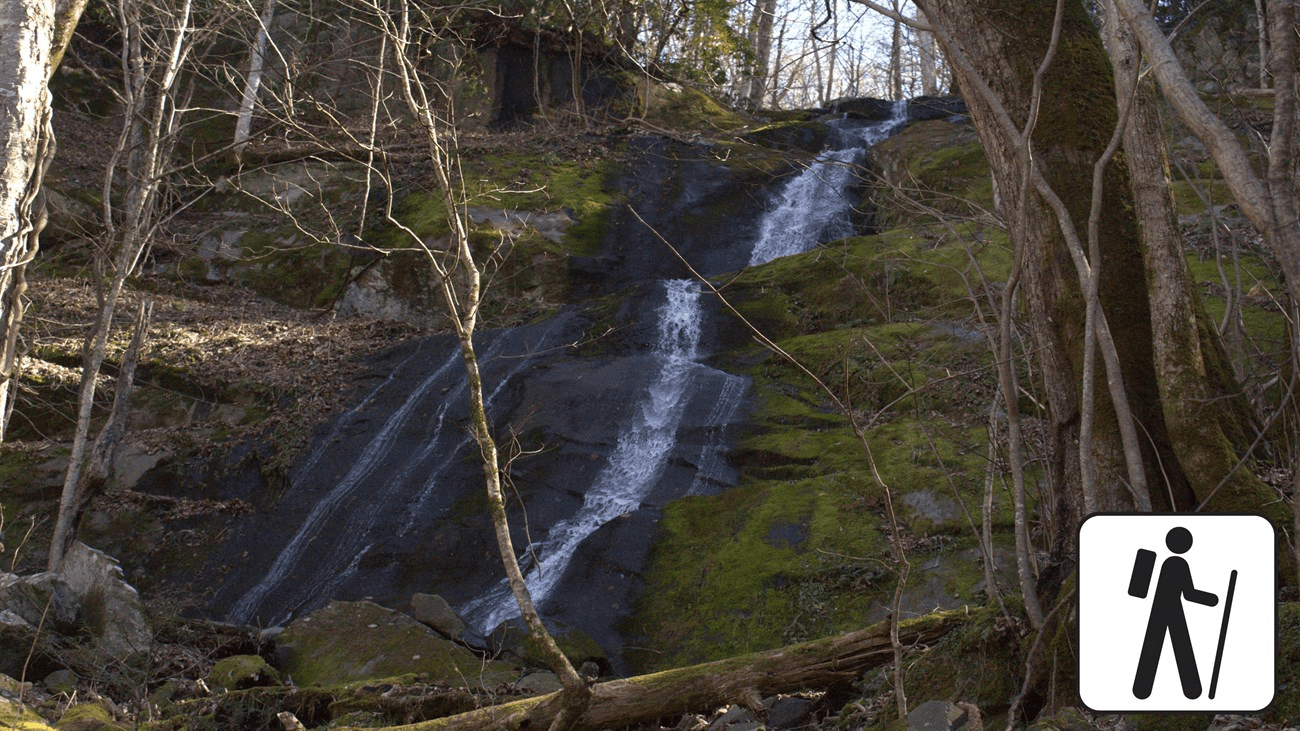
Fern Branch Falls: The waterfall itself is beautiful, but it's also a reminder of the power of nature. The settlers would have used this water for drinking, cooking, and washing.
The Bigger Picture
The Porters Creek Trail is more than just a hike. It's a journey through time. It's a reminder that the "wilderness" we see today was once home to families and communities. It's a reminder of the resilience and ingenuity of the early settlers. It's a reminder of the importance of preserving history and nature.
When you hike this trail, you're not just exercising. You're connecting with the past. You're honoring the people who came before you. You're understanding the land in a deeper way.
Respectful Visiting
- •Don't Disturb: Don't touch the structures or remove artifacts.
- •Stay on Trail: Don't wander into private areas or disturb the graves.
- •Take Only Photos: Leave everything else as you found it.
- •Respect the Dead: The cemetery is a sacred place. Treat it with reverence.
- •Learn the Stories: Read the plaques and signs. Learn about the people who lived here.
- •Share the Knowledge: Tell others about what you learned. Help preserve the history.