The Road Less Traveled
Most visitors to the Great Smoky Mountains National Park funnel through the Sugarlands entrance near downtown Gatlinburg, creating a bottleneck of traffic that can feel more like a parking lot than a gateway to wilderness. The Sugarlands Visitor Center sees over 2 million visitors annually, making it one of the busiest entrances to any national park in America. But for guests staying at Heaven's Edge or Picadilly Perch in Cobbly Nob, there is a better way—a way that locals have known about for decades.
Just 10-15 minutes from our cabins lies the Greenbrier entrance, a portal to some of the park's most pristine and least-crowded attractions. This is the entrance that park rangers recommend to their friends. It's the place where you can find solitude on a Saturday afternoon. It's where the park feels like it did 50 years ago, before the Parkway became a commercial strip.
Why Greenbrier Is Different
Unlike the paved, busy roads of Cades Cove or Roaring Fork, Greenbrier feels wilder and more authentic. The road transitions from asphalt to gravel shortly after entering the park, a deliberate design choice that slows traffic and filters out the "drive-through" tourists who are looking for a quick photo op. The gravel road also adds to the adventure—you feel like you're heading into genuine wilderness, not a developed tourist zone.
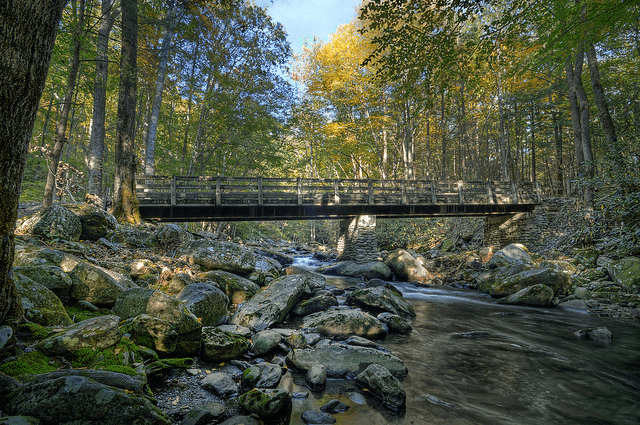
The entrance road runs parallel to the Middle Prong of the Little Pigeon River, meaning the sound of rushing water becomes your constant companion. In spring, when the water is high from snowmelt, the roar is almost deafening. In summer, the gentle babble becomes a soothing backdrop to your exploration. This river is the lifeblood of the Greenbrier ecosystem, and following it deeper into the park connects you to the natural rhythms of the Smokies in a way that the main parkway simply cannot.
The Greenbrier area is also home to some of the largest old-growth forests remaining in the park. These are trees that have been growing for 300+ years, predating the founding of the United States. Walking among them is a humbling experience that reminds you of your place in the grand sweep of time.
The Insider's Parking Tip That Changes Everything
One of the biggest perks of Greenbrier is the parking situation, particularly for swimming. While tourists fight for spots at the Sinks (a popular but crowded swimming area), Greenbrier offers free roadside parking with direct river access.
Here's the local secret: For the best swimming hole access, look for the second parking area on the right, approximately 0.5 miles from the main road turnoff. This pull-off is marked by a small wooden sign, but it's easy to miss if you're not looking for it. The first parking area is fine, but it's further from the best swimming hole. The second lot puts you directly above a deep, emerald pool that is perfect for swimming.
Timing is crucial. Even this hidden gem gets discovered on hot July weekends. We recommend arriving by 10:15 AM to snag a prime spot before the locals fill it up. If you arrive after 11 AM on a summer Saturday, you may find the lot full. On weekdays, you can usually find parking anytime after 9 AM.
What to Do in Greenbrier: A Complete Activity Guide
Picnicking: The Greenbrier Picnic Area is one of the most underrated picnic spots in the park. It's shaded by towering hemlocks and oaks, right on the river. Unlike the Cades Cove picnic areas, which can feel crowded and commercial, Greenbrier feels like you've discovered a secret spot. There are picnic tables, grills, and flush toilets. Pack a lunch from Food City (see our grocery guide), and you have a perfect afternoon.
Hiking: This entrance is the gateway to some of the park's most iconic trails. Ramsey Cascades (8 miles roundtrip) leads to the park's tallest waterfall at 90+ feet. Porters Creek Trail (4 miles roundtrip) is famous for spring wildflowers and historic homesteads. Big Creek Trail (easy, along an old railroad grade) is perfect for families and leads to Midnight Hole, one of the most beautiful swimming holes in the park.
Fishing: The Middle Prong is known for its healthy trout population and lower fishing pressure compared to other park streams. Tennessee and North Carolina fishing licenses are required, and only artificial lures with single hooks are permitted in the park. The stream is accessible right from the road, and you can find productive fishing spots within minutes of parking.
Photography: The Greenbrier area is a photographer's paradise. The river, the old-growth forest, the historic structures, and the waterfalls all provide stunning subjects. The soft light filtering through the hemlock canopy is particularly beautiful in the early morning and late afternoon.
Wildlife Watching: The Greenbrier area is home to black bears, white-tailed deer, wild turkeys, and numerous bird species. Early morning is the best time for wildlife spotting. Bring binoculars and move slowly and quietly.
Seasonal Considerations
Spring (March-May): The road is usually clear, though occasional muddy patches may appear. Wildflowers are at their peak on Porters Creek Trail in late April. Waterfalls are roaring from snowmelt.
Summer (June-August): The road is in excellent condition. The swimming holes are perfect. The forest canopy is full, providing shade. Expect more visitors, but still far fewer than the Sugarlands entrance.
Fall (September-November): The road is clear. Fall foliage is spectacular, particularly in late October. Fewer visitors mean more solitude.
Winter (December-February): This is the secret season. The road is low elevation and usually stays open even when Newfound Gap Road is closed due to snow. The park feels like it's yours alone. Ramsey Cascades is stunning when partially frozen.
Getting There from Cobbly Nob
From our cabins, head west on Hwy 321. Continue for about 10-12 minutes. You'll pass the Emerts Cove Covered Bridge on your left. Continue on Hwy 321 until you see the sign for "Greenbrier Entrance." Turn right and follow the road as it transitions from asphalt to gravel. You're now in the park.